This post contains affiliate links. If you buy through them, I may earn a commission at no extra cost to you. As an Amazon Associate I earn from qualifying purchases.
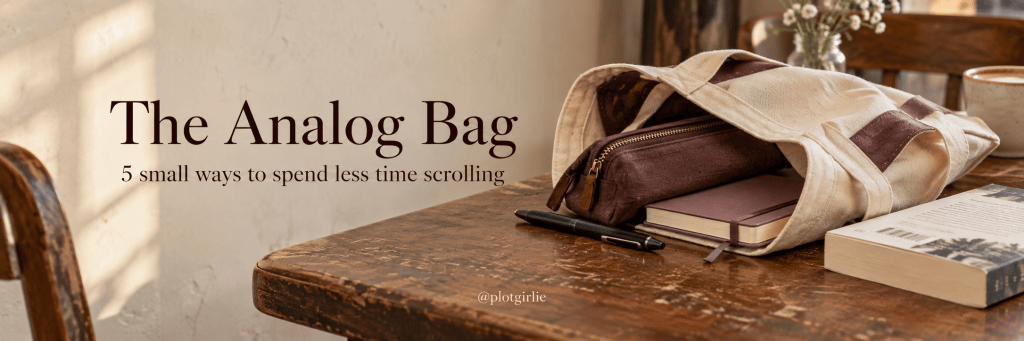
You reach for your phone while waiting for a friend, then look up twenty minutes later with no idea what you watched. An analog bag gives your hands another option: a small, portable collection of things you enjoy using offline. It can be an ordinary pouch inside the bag you carry every day.
This is different from packing for a planned café session. The aim is a kit for unexpected free minutes, light enough that you will keep bringing it. Choose one main activity and let everything else support it.
Photos are styling inspiration. Linked product designs, fabrics and color options may differ; alternatives are described beside the links.
1. A book you can pick up in short stretches
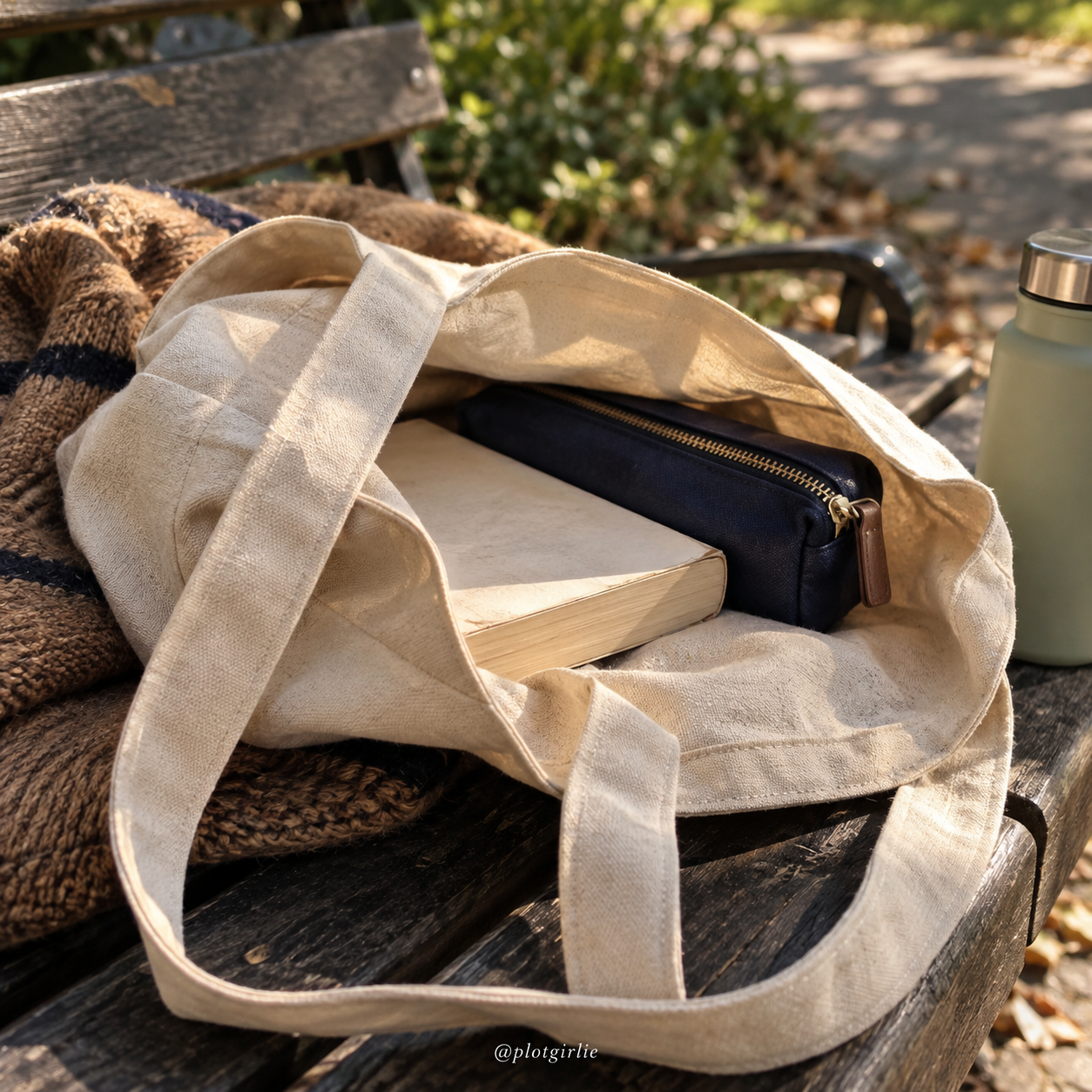
Take a paperback you are enjoying, a collection of short stories or a book of essays. Dense worldbuilding may be wonderful at home and frustrating when your break ends mid-explanation. Pick for the setting rather than for the photograph.
If your bag is small, bring a slim book or use your existing e-reader. An e-reader is not analog, but reading without a stream of notifications can still suit the purpose of your kit. You get to decide how strictly you want to define it.
Choose the book by interruption tolerance. A familiar novel can survive a stop-start bus ride; a new fantasy with ten kingdoms may deserve your sofa. Put a bookmark at the start of the next section so you can find your place quickly without rereading the same paragraph every time.
Try one realistic setting first: ten minutes before a friend arrives, a lunch break or a wait at an appointment. Keep library books away from drinks and give them a sleeve or a separate compartment if your bag is crowded. There is no need to buy a new book for the kit.
A little help for paperback breaks
↗ Walnut cat-shaped book page holder
An optional page-holding aid for your own paperback; check its fit and use a light touch on borrowed or delicate books.
2. One notebook with permission to be untidy
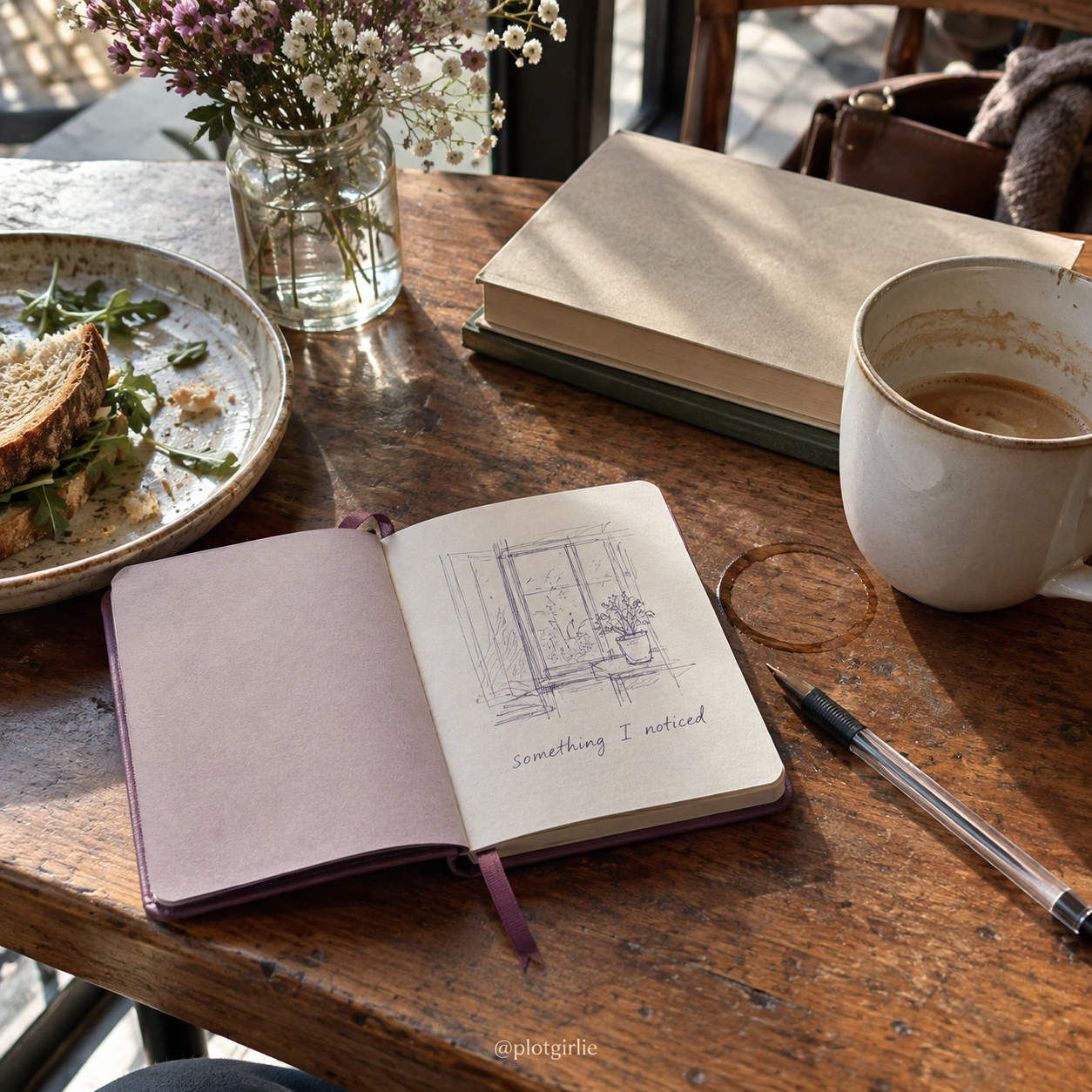
Use it for overheard phrases, shopping reminders, tiny sketches and ideas you will probably forget otherwise. Separate notebooks for every mood tend to make the bag heavier. One practical notebook is enough.
On the first page, write three starting points: something I noticed, something I am curious about and something worth remembering. You are collecting moments, not performing a beautifully documented life.
A small notebook works best when it opens easily and the ruling suits what you do. Lines can help with lists; plain pages leave more room for sketches. Check the closed dimensions against the pouch, including room for the spine and pen. “Pocket size” on a listing is not a universal measurement.
Let the notebook hold a mixture: a sentence you liked, the name of a street, a lunch idea and an unfinished drawing. If the page feels too precious, start halfway down it. This is a useful object that lives in a bag, not a scrapbook you have to keep exhibition-ready.
Start with one notebook
The listing is a multipack. One notebook is enough for the kit, so share the extras or choose a single notebook elsewhere.
3. A pen that behaves in a bag
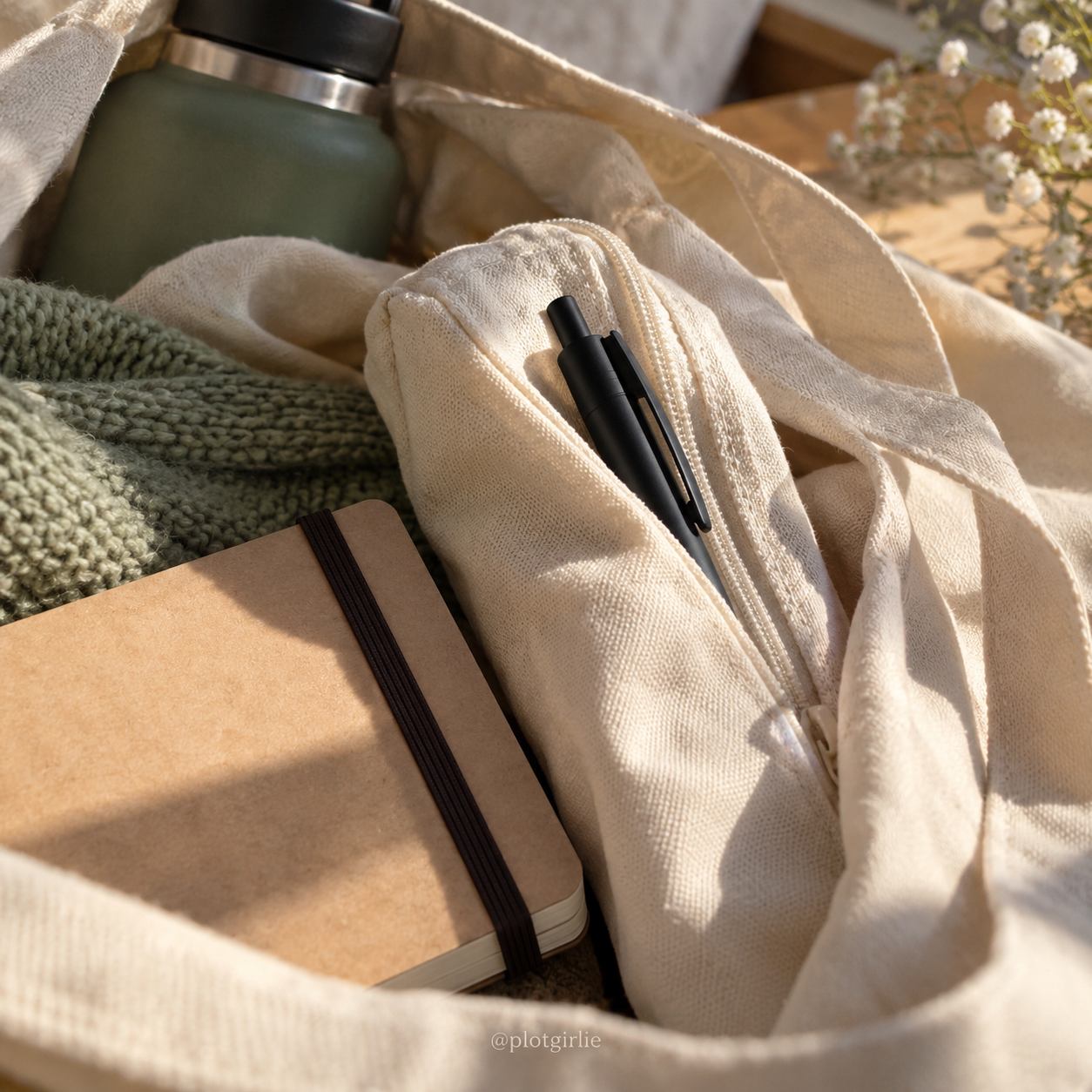
Choose a retractable pen or one with a secure cap. Test it on the notebook paper before making it your daily companion. Keep it in a sleeve or pocket rather than loose beside pale fabric. A pencil is a useful alternative if sketching matters more to you than journaling.
A retractable pen still needs a little care: store it with the tip in and avoid putting pressure on the clicker. Gel ink can need a moment to dry, especially on smoother paper. Try a few lines, close the notebook and check for smudges before taking it out.
If carrying a pen makes you nervous, use a capped pencil and a small eraser. Pick the tool that makes starting easy. An expensive pen you leave at home is less useful than an ordinary one you are happy to lend to a friend.
Find your everyday pen
↗ Ddaowanx 6 Pcs Retractable Quick Dry Gel Pens
This single-pen listing notes that barrel colors vary. Test the ink on your notebook before carrying it daily.
4. One small activity for when reading feels difficult
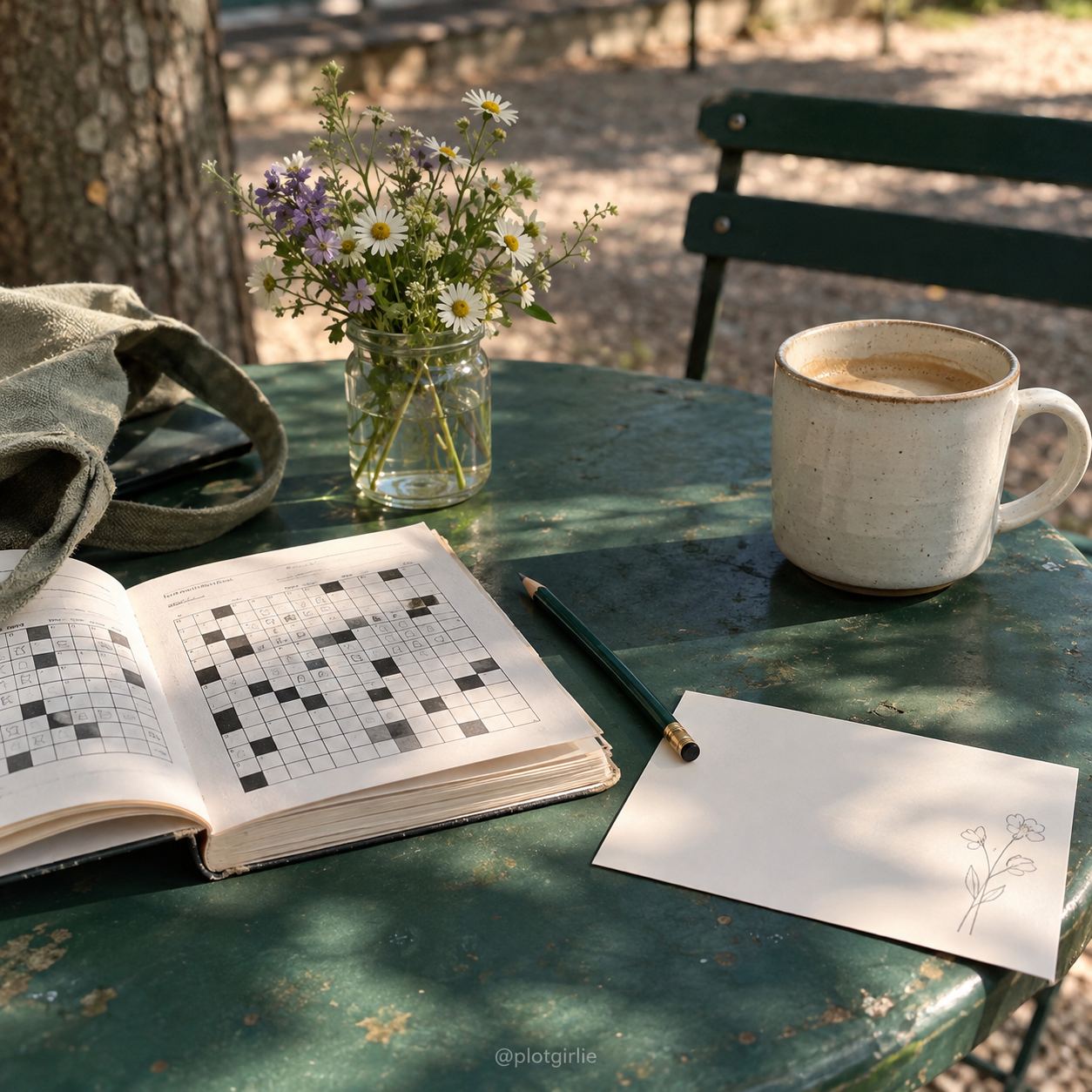
A pocket crossword, a few blank postcards or a tiny sketchbook can give you a different kind of attention. Choose something you can stop without losing pieces. Leave wet paint, multiple thread colors and loose puzzle supplies at home unless you are going somewhere with a proper workspace.
For an easy postcard ritual, write two sentences about your day and one question for the recipient. Address it later at home rather than carrying private address details unnecessarily.
Match the activity to the surface available. A crossword needs somewhere to rest the booklet; a postcard can be drafted in the notebook and copied later. For crowded journeys, noticing five interesting details and writing them down may be easier than balancing a project on your knees.
Choose easy puzzles if you want a gentle break rather than a challenge. Check the printed page size and type size, not only the word “travel” in the title. A removable page can fit a small kit, provided you have somewhere to store it without crumpling it.
Try a different kind of break
↗ The New York Times Easy Crossword Puzzles to Go the Distance
The publisher describes a travel-size volume with removable pages. Check the size against your bag before choosing it.
5. A pouch that sets a limit
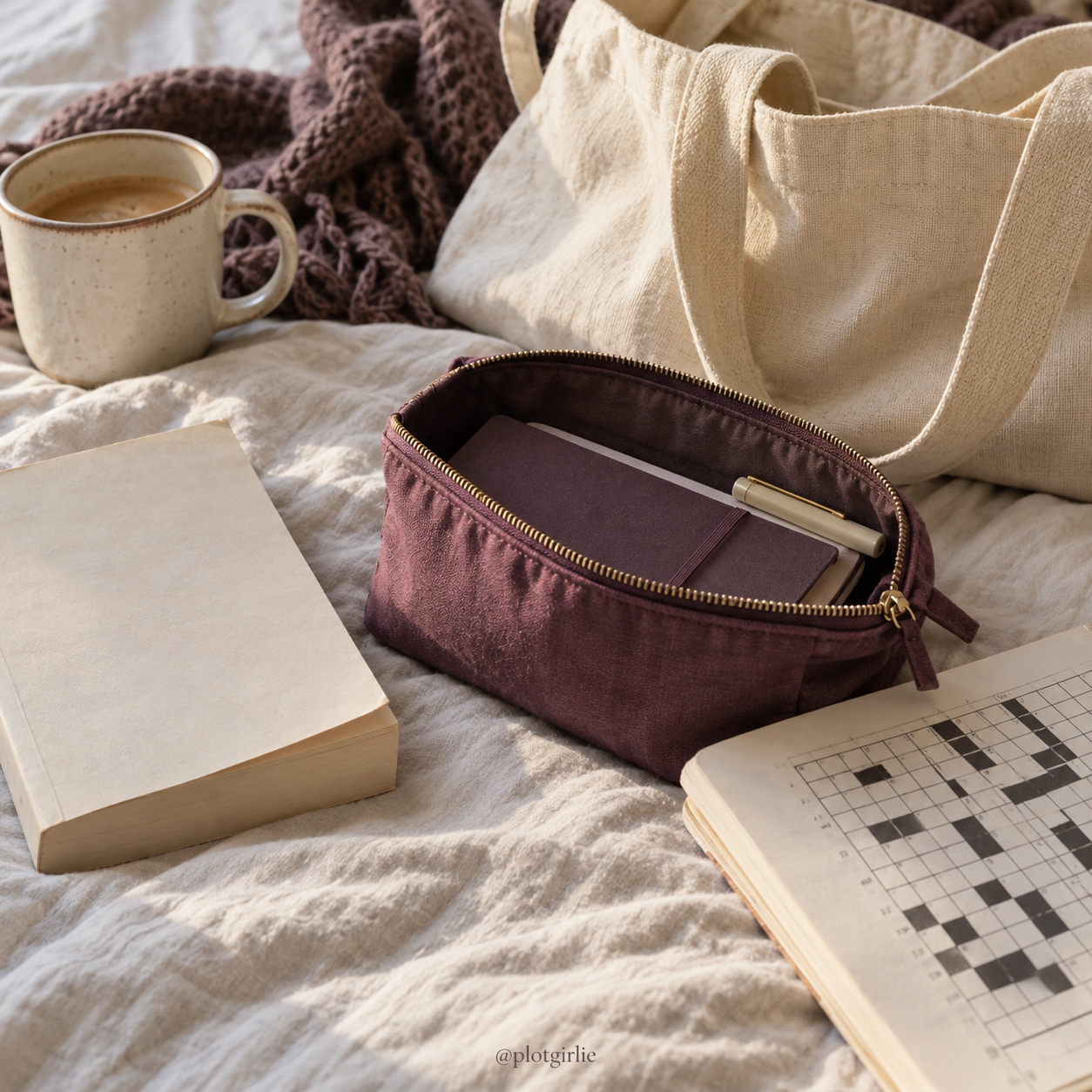
The pouch is a boundary, not an invitation to buy stationery until it is full. Pack the book separately and keep the smaller pieces together. If the kit becomes heavy or hard to close, remove the item you have not used.
Pack in the order you use things: notebook and pen near the opening, optional supplies underneath. Keep anything that can leak in a different compartment. The pouch should close without forcing the zip; overfilling makes even a small kit irritating to use.
After a week, empty it completely. Keep what you reached for, remove the “perhaps one day” supplies and add only the item you wished you had twice. You are building an option for spare minutes, not another routine you can fail at.
Keep the small pieces together
A stationery pouch option rather than the exact plum pouch shown. Compare its dimensions with your notebook.
Try the kit in three ordinary moments
For a ten-minute wait, choose either the book or notebook. For a lunch break with a table, try one puzzle and stop when the break ends. For a park visit, leave the phone available for the journey and give the first few minutes to looking around before taking anything out.
What if I still reach for my phone?
That is information, not a failed challenge. Keep the pouch visible near the bag opening and choose the activity you enjoy most. If you only use the book, remove the other supplies. A lighter kit you reach for is better than a complete collection you avoid.
How much should go in the bag?
Start with a book, notebook and pen. The puzzle and pouch are options, and a page holder is an extra rather than a requirement. Carry the packed bag for a normal day before buying additions; you will learn more from your shoulder than from a beautifully arranged photograph.
The aim is a small alternative within reach. You can enjoy a few offline minutes without making the rest of your life entirely analog.


Leave a comment